

By Kevin Cronister, ICAC Lead Detective
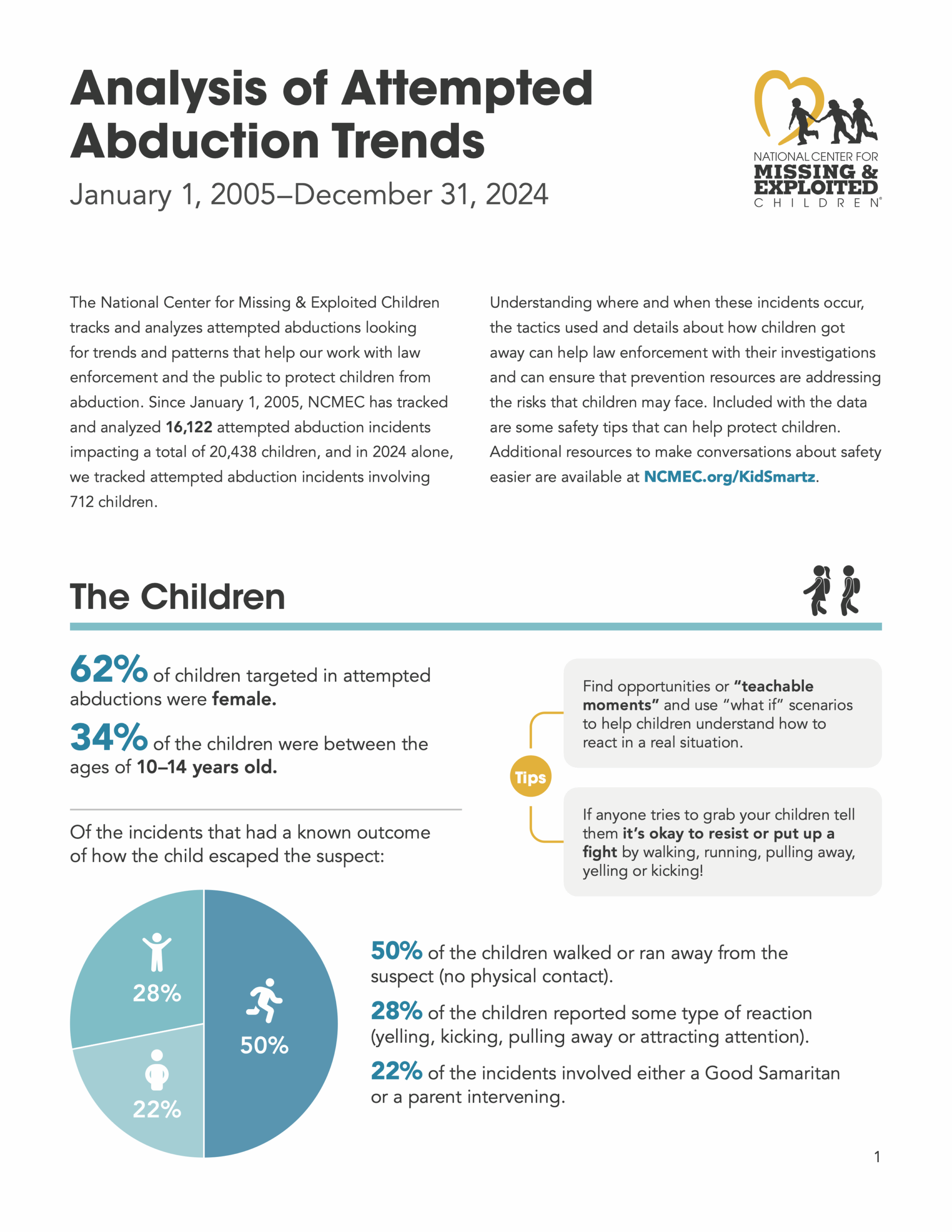
Each year, the National Center for Missing and Exploited Children (NCMEC) releases new data. Numbers that hint at the scale of a crisis too big for statistics to contain—millions of CyberTipline reports involving suspected child sexual abuse, sextortion, grooming, and trafficking.
Last year’s numbers were staggering.
This year, they’re worse.
And behind every tip is not just a file or a flag. It’s a child.
It’s a family.
It’s a life forever altered by someone who should never have had access in the first place.
Table of Contents
A system overwhelmed, a threat expanding
The explosion of digital exploitation is not a slow burn—it’s a wildfire.
We are drowning in reports, and predators know it. The systems meant to protect our children—law enforcement, investigative teams, forensic labs—are saturated beyond capacity. We are not hunting predators; we are triaging harm.
Imagine a fire department with one working hose, facing an entire neighborhood up in flames. That’s what digital child exploitation feels like to those of us on the front lines.
The backlog of files isn’t just administrative—it’s dangerous. Every delay is an opportunity lost, a child not reached in time.
“Every cyber tip isn’t just a number—it’s a child. A life. And a system that may not reach them in time.”
AI and deepfakes: the new face of abuse
Artificial intelligence is rewriting the rulebook on how abuse happens—and how quickly.
Predators are leveraging AI to create synthetic child sexual abuse material (CSAM), masquerade as peers using convincing deepfakes, and manipulate victims with a scale and speed that’s untraceable by the tools most agencies currently possess.
And here lies the brutal irony: The same AI technology that enables abusers could help detect and stop them—but it’s largely inaccessible to law enforcement due to funding gaps, technical complexity, and systemic red tape.
As the tools get smarter, our ability to intervene grows weaker. We are being outpaced by a predator class that has gone digital—fully and ruthlessly.
“We’re being outpaced by predators armed with AI—while law enforcement is left fighting blindfolded.”
The rise of sextortion and digital trafficking
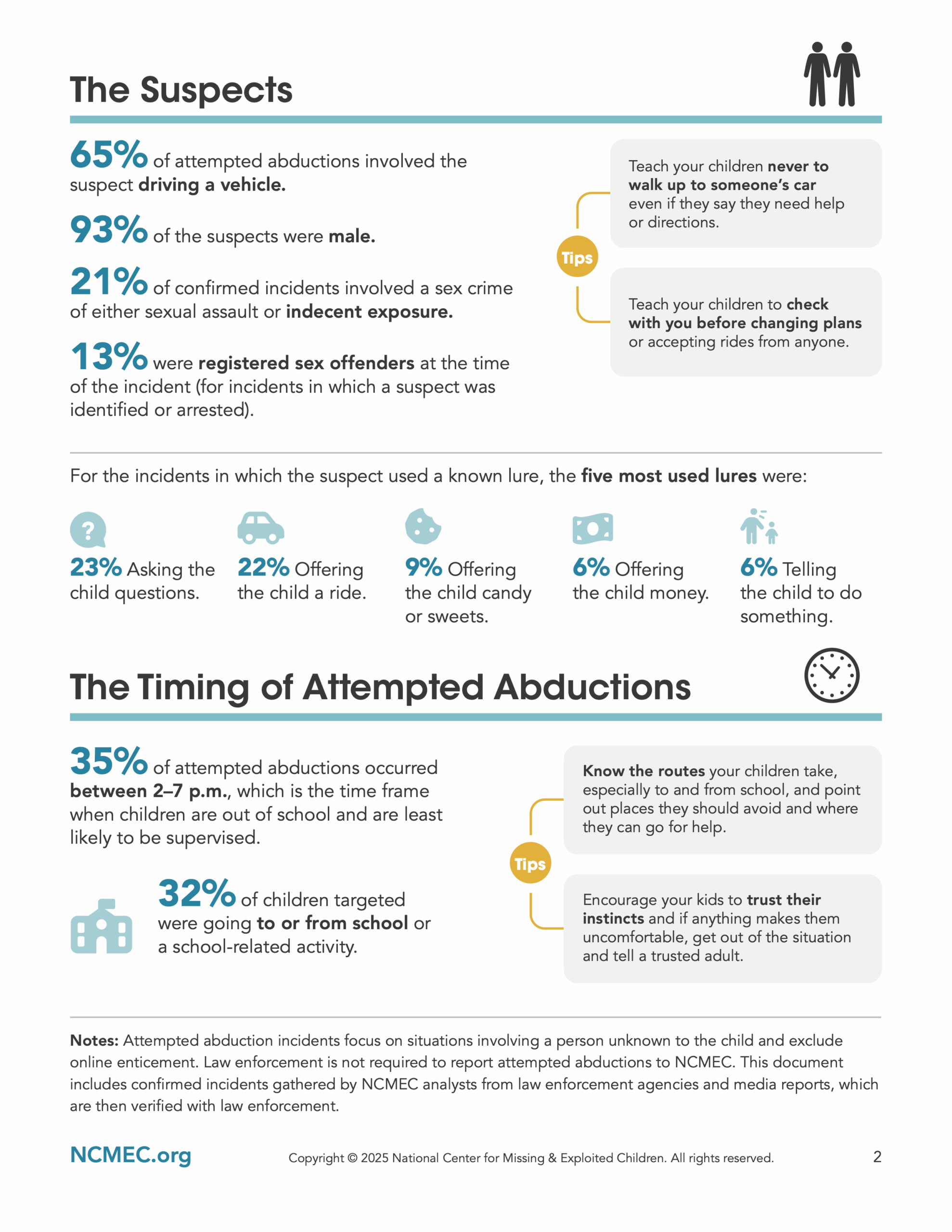
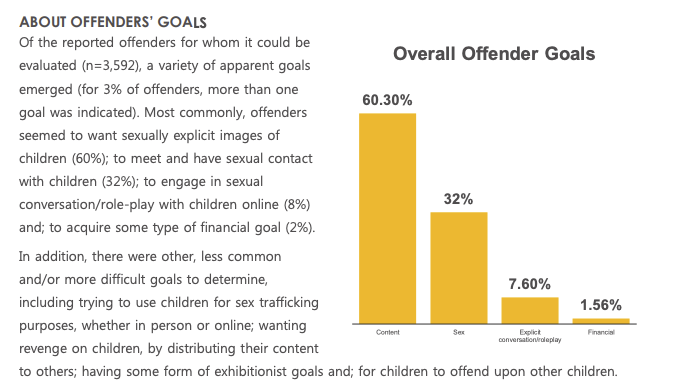
The digital predators of today aren’t lurking in alleyways—they’re on apps and gaming platforms, sometimes disguised as friends, sometimes as peers. And increasingly, they’re targeting boys.
Sextortion has surged, often beginning with just one manipulated image. Victims are cornered into silence with threats, shame, and fear so deep that they believe there’s no way out.
I’ve sat with families shattered by this.
I’ve seen firsthand what it means when a child believes the only escape is to disappear—permanently.
At the same time, trafficking networks have modernized. They use social media algorithms, location tech, and anonymous platforms to recruit, groom, and exploit with astonishing stealth. What once took months, now takes minutes.
“Sextortion doesn’t start with violence. It starts with trust. And ends with unbearable silence.”

child exploitation: What needs to change—now
We cannot continue to fight exponential harm with incremental hope. If we’re serious about protecting our children, we need foundational change.
Law enforcement needs:
- Investment in technology that can automate image identification, scan encrypted files, and respond in real time.
- Staffing and funding relief to triage AND investigate—because right now, agencies can’t do both.
- Cross-sector partnerships that go beyond lip service and into real operational collaboration between tech companies and safety task forces.
- Training and modernization so officers can function on this digital battlefield, not just observe it from the sidelines.
Right now, predators are winning because they don’t have rules. We do.
“Until we treat child exploitation as the national emergency it is, the gap between harm and help will only grow wider.”
We are not helpless, but we are behind
What’s coming through the NCMEC tipline isn’t just more tips—it’s more harm. It’s more children being exploited, manipulated, and sold. And while the scale of the crisis may be digital, the pain it causes is heartbreakingly human.
Every delay has a cost. Every silence protects someone who shouldn’t be protected.
I say this not to frighten you, but to galvanize us—families, educators, lawmakers, tech leaders, and community builders alike. The time for half-measures is gone. The next generation deserves a digital world where childhood is preserved, not preyed upon.
We can’t afford to lose another child to a system that is outnumbered, outpaced, and outdated.
It’s time to meet this threat with the urgency, clarity, and courage it demands.
Further reading:
About the author:
Kevin Cronister is an Internet Crimes Against Children (ICAC) Detective with over 15 years’ experience in law enforcement and digital forensics. He is the COO of Guardian Training Solutions and co-creator of Screen Guardians, a K–12 digital wellness and safety program built to protect children and equip communities.
Need digital safety training for your school, district, or law enforcement team?
Visit Screen Guardians or contact us to learn more about our ready-to-teach curriculum and real-world professional development.