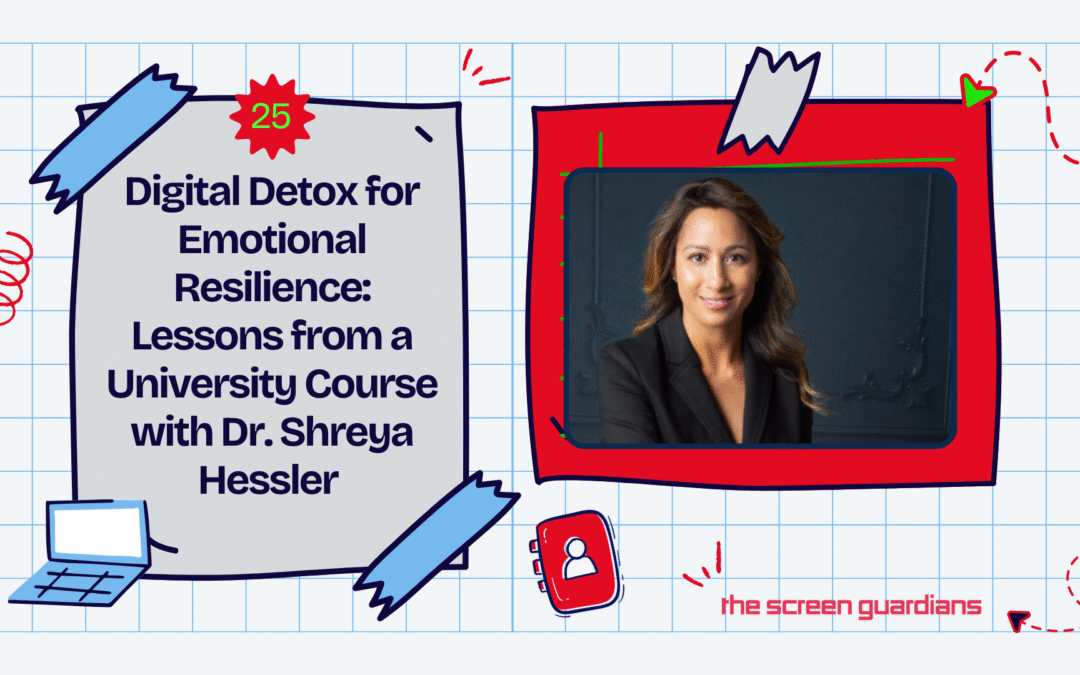
In an era where our lives are intertwined with screens, the concept of a digital detox has emerged as both a necessity and a revelation. Have you ever wondered how stepping away from your devices might reshape your emotional landscape? This is the journey that students at Loyola University embarked on, guided by the insightful Dr. Shreya Hessler. Her groundbreaking course, “Digital Detox: Doing Nothing and Doing Well,” challenges the status quo, offering students a chance to reconnect with themselves and their peers in meaningful ways. Join us as we explore how this innovative approach is cultivating emotional resilience, redefining engagement in a screen-saturated world, and uncovering the profound benefits of intentionally unplugging.
Table of Contents
Beyond the Screen: Building Emotional Strength in a Hyper-Connected World
In today’s fast-paced, screen-saturated world, finding balance with technology is more crucial than ever. Recently, I had the privilege of delving deep into this topic with Dr. Shreya Hessler, a renowned psychologist and the pioneer behind the innovative “Digital Detox: Doing Nothing and Doing Well” course at Loyola University Maryland. This course is not just about stepping away from screens; it’s about rediscovering human connection and emotional resilience in an age of perpetual digital engagement.
Understanding the Impact of Technology
Dr. Hessler’s class is a reaction to what she frequently witnesses in her practice: individuals grappling with the emotional aftermath of excessive screen time. According to an article in The Washington Post, Dr. Hessler notes that tech habits can erode self-esteem and stifle meaningful relationship-building, a trend increasingly prevalent in both her clients and students alike.
The emotional weight of constant connectivity often translates to anxiety, feelings of inadequacy, and a diminished sense of self-worth. Research from the World Health Organization reinforces these claims, highlighting social media’s profound psychological effects, especially among youth.
Teaching Digital Balance
In her unique course, students embark on an analog journey, surrendering their digital devices at the door. The objectives are twofold: to teach students the art of being present and to help them build healthier digital boundaries. Despite initial discomfort, many students found solace in shared experiences and analog interactions.
Dr. Hessler emphasizes the importance of experiential learning, allowing students to engage directly with their feelings of boredom or FOMO (fear of missing out), which, as she pointed out, are integral to building resilience and personal agency.
Encouraging Conscious Connectivity
Listening to Dr. Hessler, I was struck by the simple yet profound strategies she shared for navigating our digital landscape:
- Set Clear Intentions: Before engaging with your devices, be mindful of your goals. It’s about using technology purposefully rather than passively.
- Promote Conversations: Foster discussions with children about tech use, focusing on open dialogues rather than prescriptive rules. This was echoed in research from Johns Hopkins, which suggests that understanding digital influences is pivotal for emotional development.
- Embrace Physical Play and Creativity: Encourage activities that don’t involve screens. Dr. Hessler’s class found immense joy and relief in unstructured play, a critical counterpart to digital interactions.
- Model Healthy Behaviors: As parents and educators, our digital habits greatly influence those of younger generations. It’s important to lead by example, demonstrating how to balance online and offline life.
Building a Supportive Community
Creating a supportive environment for digital detox begins at home and extends to educational settings. Dr. Hessler emphasizes community-level involvement, where students and their families can openly discuss and experiment with reducing screen time without judgment.
Digital Detox: A Call to Action
If you’re moved to explore this further, consider watching Dr. Hessler’s TEDx talk,
“How to Stumble Proudly in a Perfection-Obsessed World”, where she eloquently discusses embracing our imperfections as a gateway to resilience.
To fully understand and implement these insights in your family or educational setting, I encourage you to engage in open dialogues, model intentional tech use, and always prioritize human connection. As Dr. Hessler illustrates, the journey to digital wellness is not about elimination but about crafting a harmonious relationship with the digital world that nurtures our humanity.
Discovering Balance: Guiding Your Child’s Digital Journey Through Our Parent Portal
As we navigate the challenges of raising children in a digital world, access to resources and community support becomes invaluable. If you’re looking to support your child’s journey towards a healthier relationship with technology, consider joining our Parent Portal. Here, you’ll find a wealth of tools, expert advice, and a community of like-minded parents sharing experiences and strategies to foster digital wellness in your family. Embrace the opportunity to guide your child with intention and understanding. Visit our Parent Portal today and take the first step towards creating a balanced digital environment for your family.