In a world where likes and comments feel like lifelines, where digital conversations unfold faster than emotions can catch up, our kids are navigating a reality we never had to. If you’ve ever wondered why your child seems more anxious than you were at their age—or why they retreat behind a screen when the world feels too much—you’re not alone.
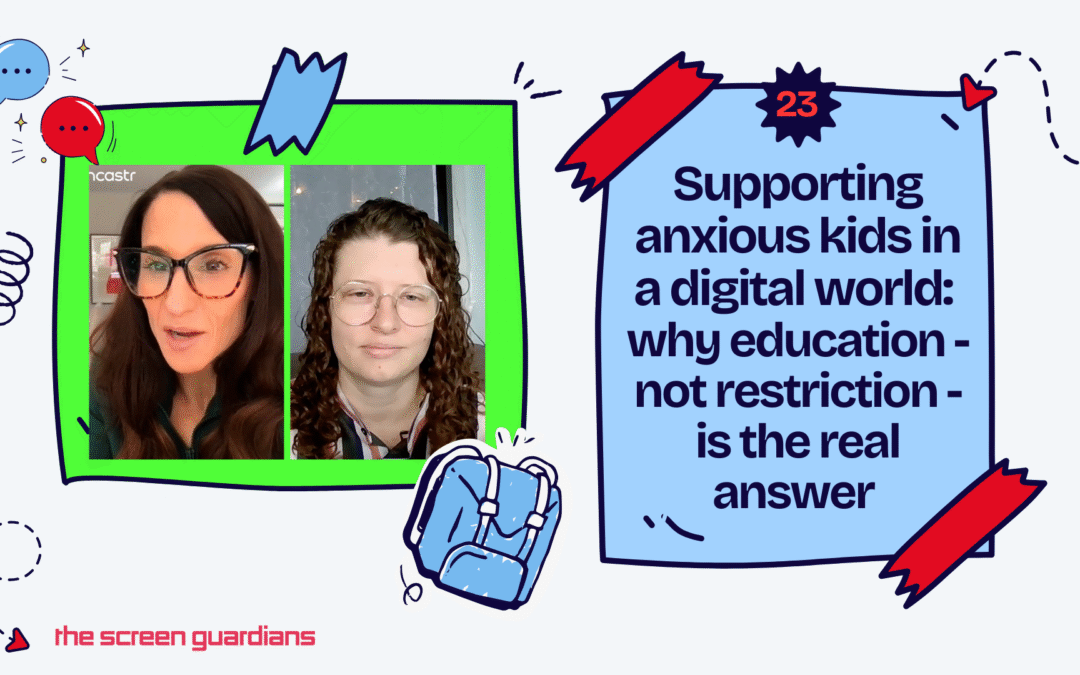
We recently sat down with licensed professional counselor Morgan Lee for an honest conversation about what anxiety looks like in today’s youth, how technology is part of the picture, and what parents can do to help. This blog is grounded in that conversation, gently unpacking some of the most pressing mental health concerns facing families today.
And maybe most importantly—it’s a reminder that none of us are doing this alone.
Table of Contents
What does anxiety look like in kids today?
We often associate anxiety with racing thoughts or avoidance. But for kids, especially those in the preteen and teenage years, anxiety wears many faces.
- Frequent headaches or stomach aches without a medical reason
- Trouble falling asleep or sleeping too much
- Withdrawing from friends and family
- Meltdowns over seemingly “small” things
- Overthinking assignments or conversations
- Refusal to attend school or social events
Many kids don’t have the words to say, “I’m feeling overwhelmed.” Instead, their bodies say it for them.
Morgan explained that anxiety is often an inner chaos—an attempt to process a fast-changing world with tools they haven’t fully developed yet. And in our tech-saturated culture, that world is bigger, noisier, and filled with pressure to curate the “perfect” version of yourself online.

Is technology making it worse?
The short answer: yes, but not in the way you might think.
It’s not just the time kids spend on screens—it’s how they spend it.
Social media, high stimulation video games, and short-form video platforms flood our kids’ nervous systems with dopamine. That quick burst of “feel good” chemicals offers temporary relief, but it’s not sustainable. Morgan described it like this: “Dopamine makes us feel good in the moment, but afterward, it leaves us wanting more. The spike, followed by the drop, can tank motivation and emotional regulation.”
And that drop? It’s where many children get stuck—feeling suddenly unmotivated, irritable, or flat.
We’re also watching empathy quietly erode. Without face-to-face conversations—the ones where you can see someone’s expression shift or hear their voice tremble—many kids are struggling to develop crucial emotional skills, like managing conflict or resolving misunderstandings. It’s not their fault. They’re not broken. They’re simply growing up in systems that are… different.
Why education matters more than restriction
When a child struggles, it’s natural to want to take back control. As caregivers, we might:
- Set strict screen time rules
- Ban certain apps
- Remove devices entirely
But Morgan raised a critical point: restriction without explanation often backfires.
Without understanding why, kids may see limits as punishment—and sneak around them—or miss important lessons in ownership, self-regulation, and trust. Instead of creating power struggles, what if we created conversations?
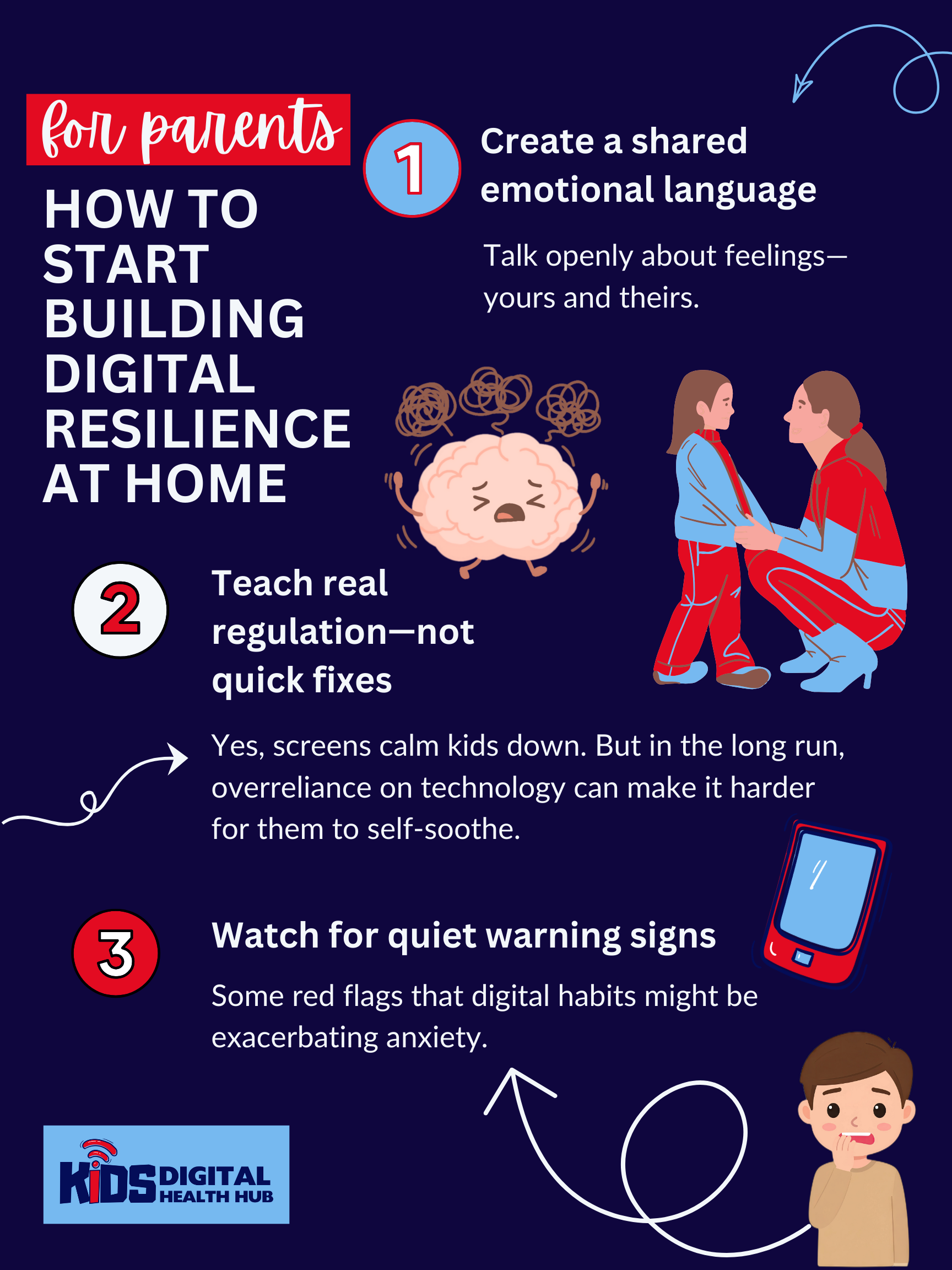
“Consistent education is more effective than restriction. Kids are more likely to make safer choices when they understand the ‘why’ behind the rule,” says Morgan.
This doesn’t mean there are no boundaries. Far from it. It means boundaries work best when they’re paired with shared language and mutual respect.
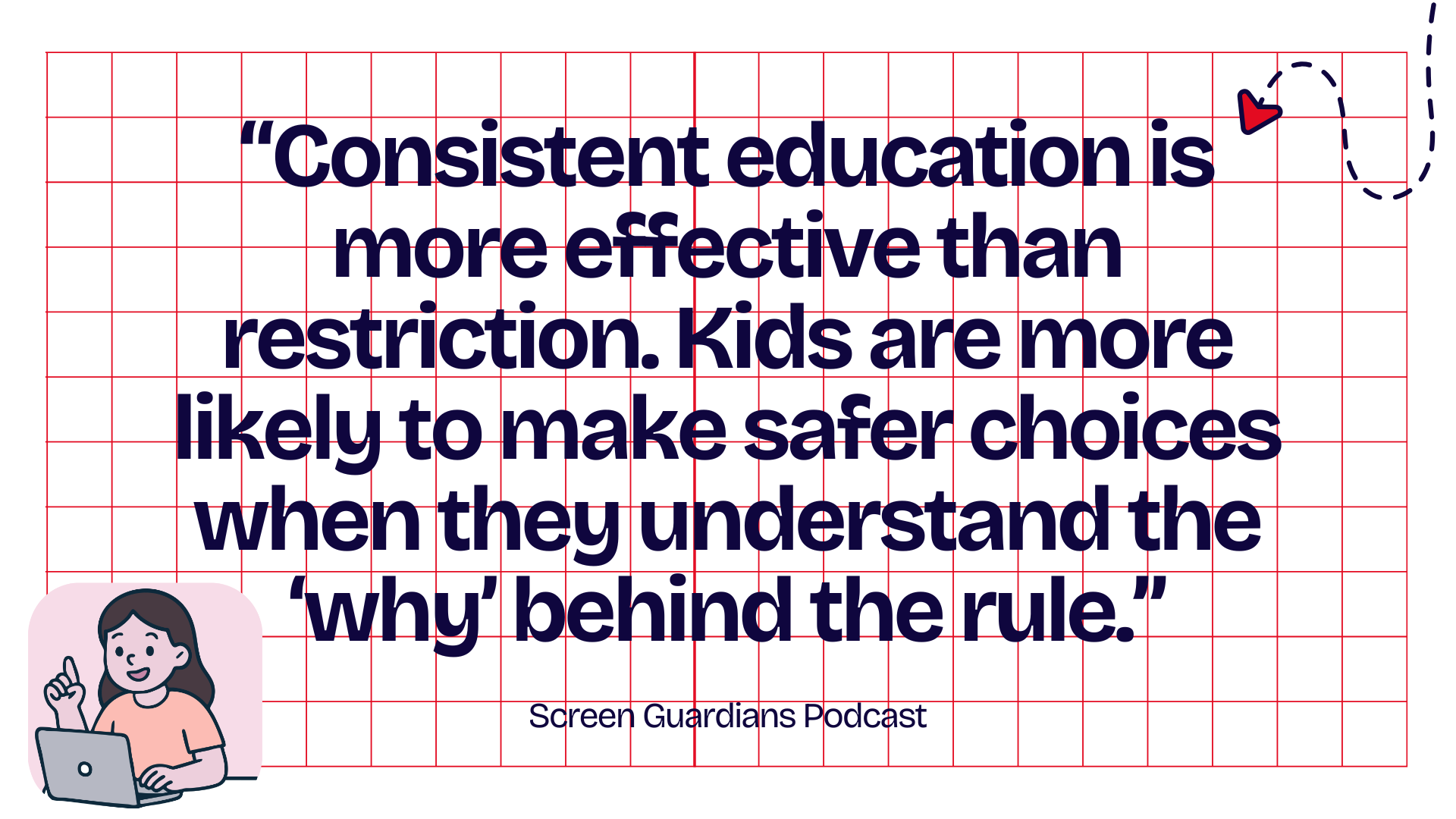
3 Ways to start building digital resilience at home
You don’t need all the answers. But here’s where you can begin:
1. Create a shared emotional language
Talk openly about feelings—yours and theirs. Use phrases like:
- “I’m noticing you seem quiet. Is something on your mind?”
- “What did that feel like in your body?”
- “Remember, you’re not in trouble for telling the truth.”
At Katie’s house, they even use a code word—a sort of emotional hall pass that tells a parent, “I did something I regret, but I still want your help.” It’s a simple way to foster honesty without fear.
2. Teach real regulation—not quick fixes
Yes, screens calm kids down. But in the long run, overreliance on technology can make it harder for them to self-soothe.
Here are a few grounding strategies recommended by Morgan:
- For kids: movement (shake it out, jump, or stretch), deep breathing with a parent, gentle touch like back rubs or cuddles
- For parents (and teens): the 5–4–3–2–1 method (naming things you see, touch, hear, smell, taste), box breathing, playing the “find everything that’s blue” game in your environment
These tools bring the body back into balance—without needing a screen.
3. Watch for quiet warning signs
Some red flags that digital habits might be exacerbating anxiety:
- Isolation or refusal to participate in family life
- Irritability when asked to stop gaming or scrolling
- Difficulty sleeping—even after screen use is over
- Excessive concern over follower counts or likes
- Hiding devices or secretive behavior
If you notice several of these, it may be time to gently open a conversation and seek help from a child therapist who understands the digital landscape.
It’s not just about screen time. It’s about connection.
Morgan put it simply: “We’re the first generation of parents raising kids in this digital world. There’s no playbook—and that’s okay.”
What matters most is how we show up: consistently, compassionately, and with curiosity rather than control. We don’t have to understand every tech platform—but we do need to understand our kids.
And truthfully?
Our presence is more impactful than any parental control setting.
Their safety begins with our willingness to stay connected—even when they pull away.

Want to go deeper?
If this discussion resonated with you, consider exploring The Screen Guardians Program. It’s a research-informed, heart-forward curriculum for schools and families that goes beyond digital citizenship—teaching kids how to build healthier relationships with tech, their emotions, and themselves.
You can also listen to this full conversation with Morgan Lee on the Screen Guardians Podcast.
Remember:
You’re not failing. You’re learning—right alongside your child.
Model the calm. Model the pause.
And when in doubt, don’t pull away. Lean in.
Your child’s nervous system will thank you.
Their future self will too.